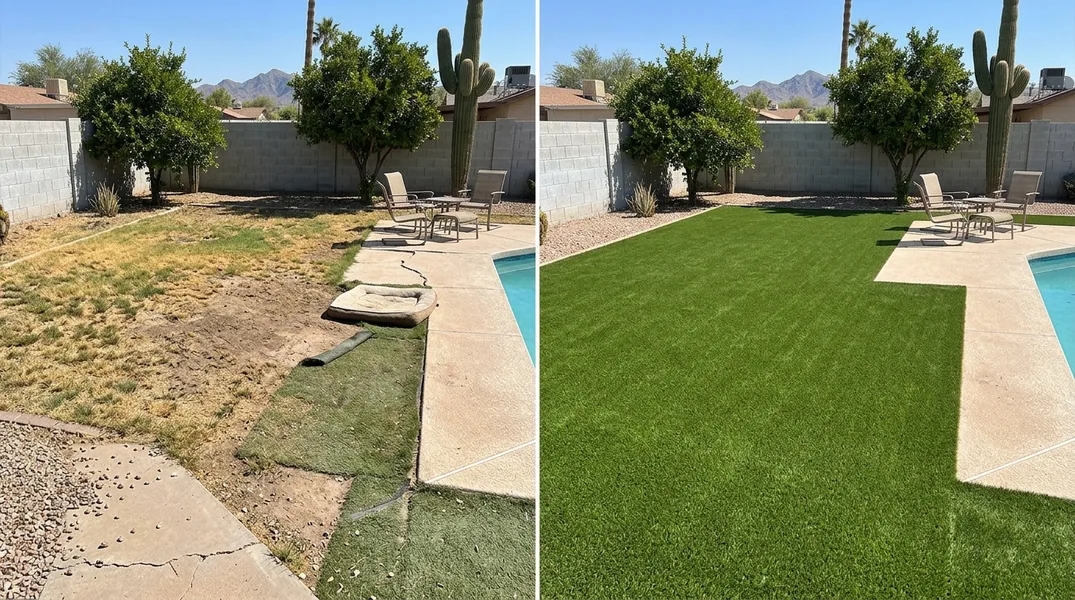
The Truth About Artificial Grass Heat in Arizona's Desert Climate
If you're considering Residential Artificial Grass Installation in Phoenix, you've probably heard the concern: does artificial turf get scorching hot? The short answer is yes, but the full story is much more nuanced than many homeowners realize.
Artificial grass does absorb and retain heat more readily than natural grass, primarily because it lacks the cooling mechanism that living plants provide through transpiration (the process where plants release moisture into the air). On a typical summer day in Phoenix, when ambient temperatures reach 115 degrees Fahrenheit, artificial turf surfaces can reach 140 to 180 degrees Fahrenheit depending on the product quality, color, and infill system used. That's genuinely hot, and it matters if you have children, pets, or plan to spend time barefoot on your lawn.
However, the good news is that modern artificial grass technology and strategic installation choices have dramatically reduced this problem compared to first and second-generation synthetic turf from 10 or 15 years ago. Understanding how heat works with artificial grass, and what solutions are available, helps you make an informed decision about whether it's right for your home.
How Temperature Affects Different Types of Artificial Grass
Not all artificial grass products perform equally when it comes to heat retention. The fiber material, backing system, and infill composition all play significant roles in how hot your turf will get. Premium turf products designed for warm climates like Arizona use lighter colors, more advanced fiber blends, and reflective treatments that help bounce heat away rather than absorb it.
Dark green artificial grass, while visually appealing and realistic, absorbs significantly more heat than lighter-toned options. If heat is a primary concern, choosing a product with a slightly lighter or more natural green shade can reduce surface temperatures by 10 to 20 degrees. Likewise, the backing material matters. Turf installed over permeable bases with proper drainage and ventilation stays cooler than products installed directly over concrete or dark-colored compacted soil.
The fiber technology itself has evolved. Modern polyethylene and polypropylene blends used in quality artificial grass are engineered to resist UV degradation and reduce heat absorption better than older nylon-based products. When you're evaluating options for your home, asking your installer about the specific heat performance characteristics of the product they recommend is a smart move.
Cooling Infill Systems: The Game-Changer for Phoenix Homeowners
One of the most significant advances in artificial grass technology is the development of cooling infill systems. Traditional infills, like silica sand or rubber granules, contribute to heat buildup because they absorb and retain warmth just like the grass fibers themselves. Cooling infill products, however, are specifically engineered to reflect heat and reduce surface temperatures.
Cooling infills work through several mechanisms. Some use light-colored, reflective materials that bounce sunlight away rather than absorbing it. Others incorporate technologies like microbeads or ceramic particles that resist heat absorption. Products like zeolite-based infills and specialized polymer granules can reduce turf surface temperatures by 15 to 25 degrees compared to standard silica sand. For a turf surface that might otherwise reach 160 degrees, a cooling infill system could bring that down to 135 to 145 degrees, making a meaningful difference for barefoot comfort and pet safety.
The investment in cooling infill typically adds 15 to 25 percent to your overall installation cost, but many homeowners in hot climates find the comfort improvement worth the expense, especially if children or pets will be using the lawn regularly. When you contact Phoenix Turf Installation at (602) 387-6265 for a free estimate, ask specifically about cooling infill options and whether they're included in the quote.
Practical Solutions to Keep Your Artificial Grass Cooler
Beyond selecting the right product and infill, several installation and maintenance strategies help keep artificial grass temperatures manageable. Proper drainage and ventilation during installation ensure air circulation beneath the turf, which naturally cools the surface. Installing turf over a permeable base layer rather than solid concrete allows heat to dissipate more effectively into the ground rather than being trapped and reflected back up.
Strategic landscaping also helps. Planting shade trees near your turf area, installing shade structures like pergolas or patio covers, or positioning the turf in naturally shaded portions of your yard reduces direct sun exposure and keeps temperatures lower. Even partial shade for a few hours during the hottest part of the day makes a noticeable difference. Additionally, regular light watering or misting of artificial grass during extreme heat events can temporarily cool the surface, similar to how natural grass benefits from watering.
If you're installing turf near a pool or patio area, Pool Surround Turf designed specifically for wet environments often incorporates better drainage and heat management features. For Pet Turf & Dog Run Installation, choosing a cooling infill system becomes especially important since pets are more vulnerable to heat-related discomfort.
Real Temperature Data: What to Expect in Phoenix Summers
Understanding actual temperature numbers helps set realistic expectations. Research from universities and turf manufacturers testing products in Arizona climates shows that standard artificial grass without cooling features reaches 140 to 160 degrees on a 110-degree day. Premium products with lighter colors and better fiber technology run 10 to 15 degrees cooler. When you add cooling infill systems to the mix, you're looking at surfaces in the 120 to 140-degree range under the same conditions.
For comparison, natural grass in the same conditions typically stays between 80 and 100 degrees because of transpiration and the cooling effect of living plant tissue. This is why some homeowners remain concerned about artificial grass in desert climates. However, it's also worth noting that even at 140 degrees, the turf is uncomfortable for bare feet but not dangerous for brief contact. Most people instinctively avoid standing on extremely hot surfaces anyway.
The real consideration comes down to how you plan to use your lawn. If you have young children who play barefoot for extended periods, or if you have dogs that will spend significant time on the grass, investing in cooling technology becomes more important. If your turf is primarily for visual appeal and occasional use, standard quality artificial grass with proper installation may be sufficient for your needs.
Choosing the Right Artificial Grass Solution for Your Phoenix Home
Making the decision between standard and cooling-enhanced artificial grass comes down to your specific situation, budget, and usage patterns. If heat is a significant concern for your family, the incremental cost of cooling infill is a worthwhile investment. If you're installing turf in a shaded area or have limited barefoot use planned, you may find standard quality products perfectly adequate.
The best approach is to discuss your specific concerns and climate expectations with experienced installers who understand Phoenix's unique heat challenges. Phoenix Turf Installation has extensive experience with residential projects throughout the area and understands exactly how different products and systems perform in our desert climate. Whether you're interested in standard Residential Artificial Grass Installation, specialized pet turf, or any other application, getting professional guidance tailored to your home makes all the difference.
Don't let heat concerns prevent you from enjoying the benefits of artificial grass in Paradise Valley, Fountain Hills, Cave Creek, and throughout the greater Phoenix area. Modern solutions exist to address the heat issue effectively. Contact Phoenix Turf Installation today at (602) 387-6265 or request a free estimate to discuss which artificial grass solution is best for your home and climate situation.
Looking for a professional artificial grass installation company in Phoenix? Phoenix Turf Installation responds fast for all your artificial grass installation needs.
Get a Free Quote